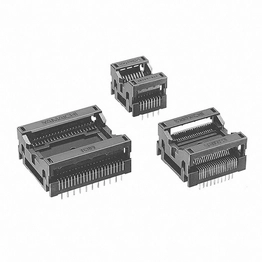
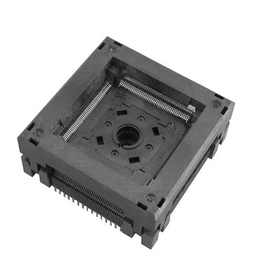
Definition: Sockets for Integrated Circuits (ICs) and transistors are specialized connectors designed to hold and mechanically support these electronic components during assembly, testing, or prototyping. They provide a temporary or permanent connection between the IC or transistor and a printed circuit board (PCB) or breadboard.
Function: 1. Ease of Installation and Removal: Sockets allow for the easy installation and removal of ICs and transistors without the need for soldering, which can damage delicate components. 2. Testing and Prototyping: They facilitate the testing of different ICs or transistors without permanently altering the circuit. 3. Protection: Sockets protect the pins of ICs and transistors from physical damage during handling and installation. 4. Upgradeability: They enable the easy replacement or upgrading of components without the need for re-soldering.
Applications: 1. Electronic Prototyping: Used in breadboards and development boards for creating and testing electronic circuits. 2. Repair and Maintenance: Facilitates the replacement of faulty ICs or transistors in electronic devices. 3. Education and Training: Provides a hands-on learning experience for students and hobbyists in electronics. 4. Manufacturing: Used in production lines for automated testing and assembly of electronic components.
Selection Criteria: 1. Compatibility: Ensure the socket is compatible with the specific IC or transistor type, including pin count and spacing. 2. Material: Choose a socket made from high-quality materials that can withstand repeated use without degradation. 3. Contact Resistance: Look for low contact resistance to ensure efficient signal transfer. 4. Ease of Use: Consider the ease of inserting and removing components, as well as the socket's compatibility with automated equipment if applicable. 5. Reliability: Opt for sockets from reputable manufacturers with a proven track record for durability and performance. 6. Price: Balance the cost with the quality and performance requirements of your application.
In summary, IC and transistor sockets are essential accessories in the field of electronics, offering a versatile solution for component installation, testing, and prototyping. When selecting a socket, it's crucial to consider compatibility, material, contact resistance, ease of use, reliability, and price to ensure the best fit for your needs. Please refer to the product rule book for details.
Cookie Notice
Our website uses essential cookies to help us ensure that it is working as expected, and uses optional analytics cookies to offer you a better browsing experience. To find out more, read our
Cookie Notice