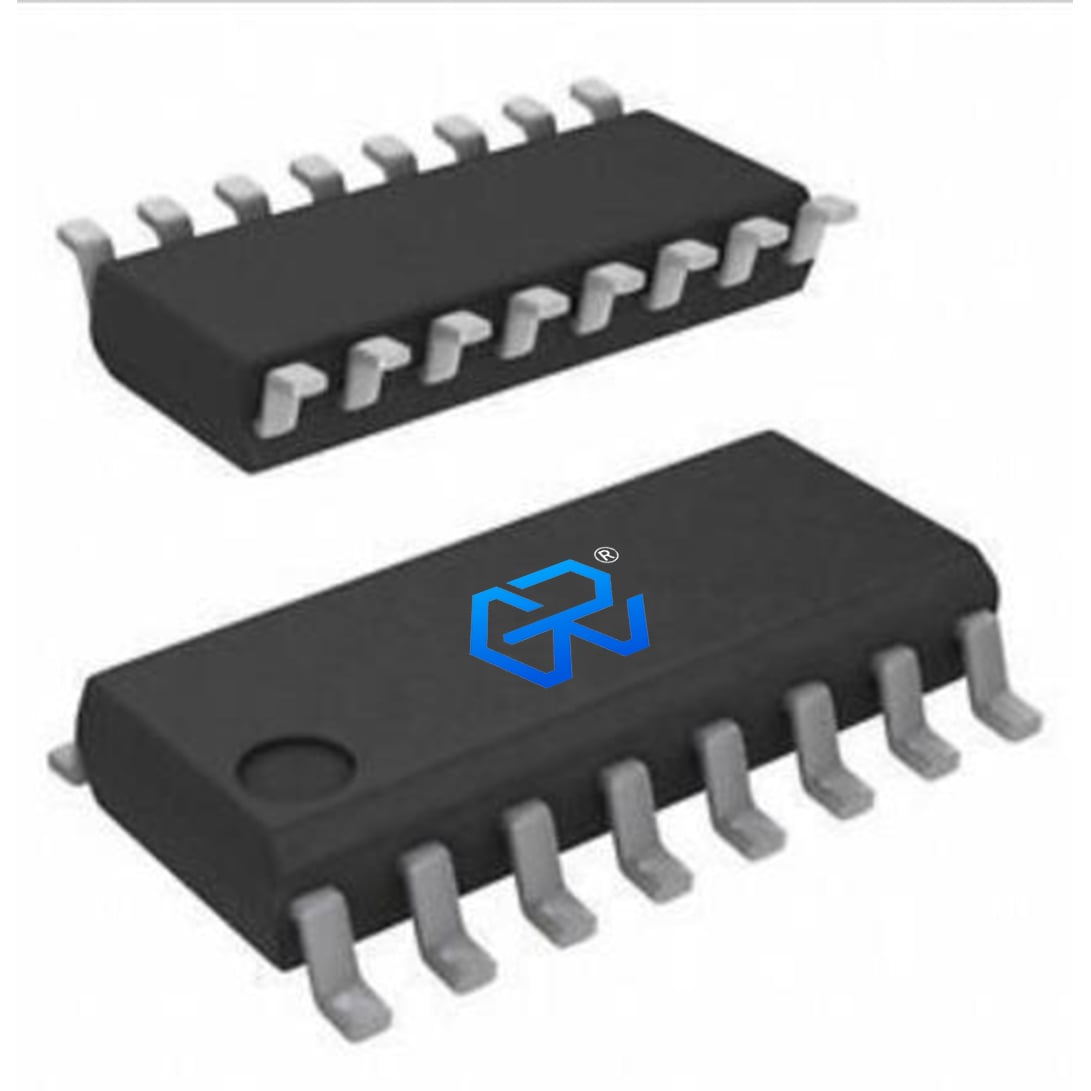
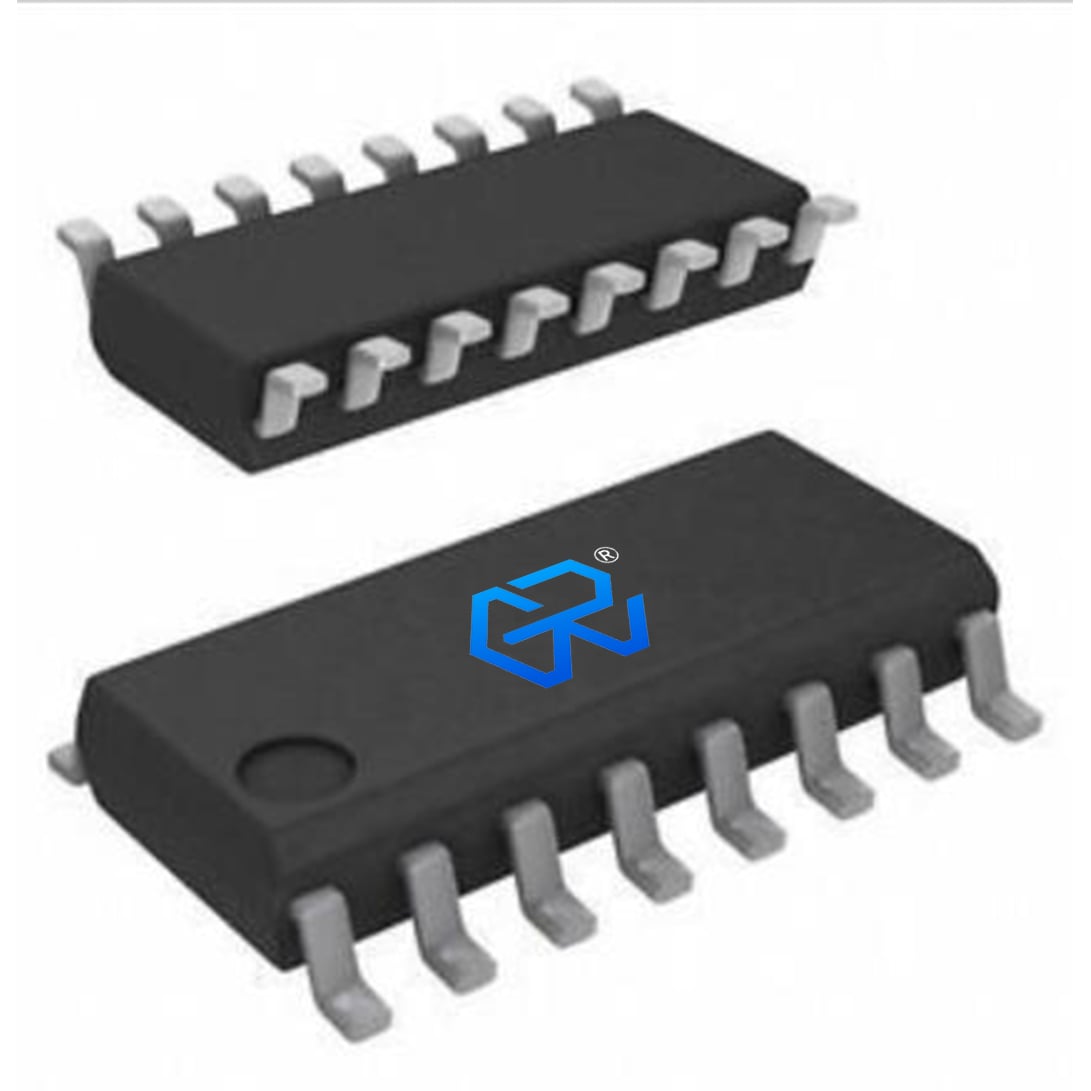
Counter and Registers are essential components in digital electronics and computer systems, used for counting and storing data. Here's a concise introduction:
Definition: A counter is a digital circuit that counts the number of pulses or events it receives. It is typically used to keep track of time, count cycles, or measure the number of occurrences of a particular event. A register, on the other hand, is a group of flip-flops or memory cells that can store a set of binary digits (bits). It is used to hold data temporarily for processing or transfer.
Function: - Counters: They perform operations like incrementing or decrementing the count, setting the count to a specific value, and resetting the count to zero. Counters can be synchronous or asynchronous, depending on how they respond to clock signals. - Registers: They store and manipulate data. Registers can be general-purpose for temporary data storage or specialized for specific functions like shift registers, which move data from one end to the other.
Applications: - Counters: They are used in various applications such as creating timers, generating clock signals, and controlling loops in software. They are also found in digital watches, traffic lights, and digital frequency meters. - Registers: Registers are crucial in CPU design for holding instruction codes, data, and addresses. They are also used in memory address decoding, data buffering, and communication protocols.
Selection Criteria: When choosing counters and registers, consider the following: 1. Bit Size: The number of bits determines the range of values that can be stored or counted. 2. Speed: The operating speed affects the performance, especially in high-speed data processing systems. 3. Type: Depending on the application, choose between synchronous or asynchronous counters and between various types of registers (e.g., shift, general-purpose, etc.). 4. Power Consumption: For battery-operated devices, low power consumption is crucial. 5. Integration: Some systems may require counters and registers to be integrated into a single chip for space and efficiency.
In summary, counters and registers are fundamental in digital systems for counting events and storing data, with applications ranging from simple timing circuits to complex computer architectures. Selection should be based on the specific requirements of the system in terms of bit size, speed, type, power consumption, and integration. Please refer to the product rule book for details.
Subscribe for promotions, market news, and platform updates.
I agree to receive marketing emails about promotions, market news, and platform updates. I understand that I can withdraw my consent at any time. Please review our Privacy Policy.