
blade Power Contacts
Results:blade Power ContactsResults:
Comprehensive
Price Priority
Stock Priority
Image
Part Number
Description
Availability
Unit Price(USD)
Quantity
Operation

Samtec
ECAD Model:
Samtec Crimp Terminal, Female Contact, CC46L Series
Available Stock
2,769Estimated Ship Time:7-9 working days
22+
1+$0.55
- +
Ext. Price(USD):$30.25
MOQ:55
Mult:1
SPQ:1

Samtec
ECAD Model:
Power Connector Contact Straight Female
Available Stock
3,611Estimated Ship Time:6-13 working days
1+$8.349
10+$6.787
More250+$5.4864
500+$5.4
- +
Ext. Price(USD):$16.69
MOQ:2
Mult:1
SPQ:1
Samtec
ECAD Model:
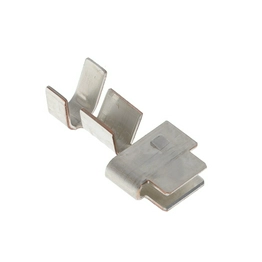
5.00 mm Power Strip, 30 A Crimp Contact, Reel Packaging
Available Stock
22,698Estimated Ship Time:6-13 working days
10+$0.5198
100+$0.4444
More4,000+$0.3067
10,000+$0.2851
- +
Ext. Price(USD):$14.03
MOQ:27
Mult:1
SPQ:1
Goto
Subscribe for promotions, market news, and platform updates.
I agree to receive marketing emails about promotions, market news, and platform updates. I understand that I can withdraw my consent at any time. Please review our Privacy Policy.

SSL Encrypted Payment


Global Logistics


Certifications
Copyright © 2026 Unikey Electronics Pte. Ltd. All Rights Reserved.